

Emergency Procedures Training and Exercises

Tabletop exercises, evacuation, invacuation and lockdown drills, bomb threat training and live exercises

Our Training

1705 Consultancy tests and trains the emergency procedures that keep people safe: evacuation, invacuation, lockdown, bomb threats and communication. These are the procedures Martyn’s Law requires, and the ones that most often fail when they have never been practised. Every service is built around your site and your plans, delivered by former emergency services staff, and finishes with a written report. If you need the plans themselves written or reviewed, see our Emergency Plans consultancy.

Our Emergency Procedures Services

Tabletop emergency planning exercise course card, 1705 Consultancy

Tabletop Exercises

Test your emergency plans with the people who will use them. Half day or full day at your site, built around your procedures, with a full written report.
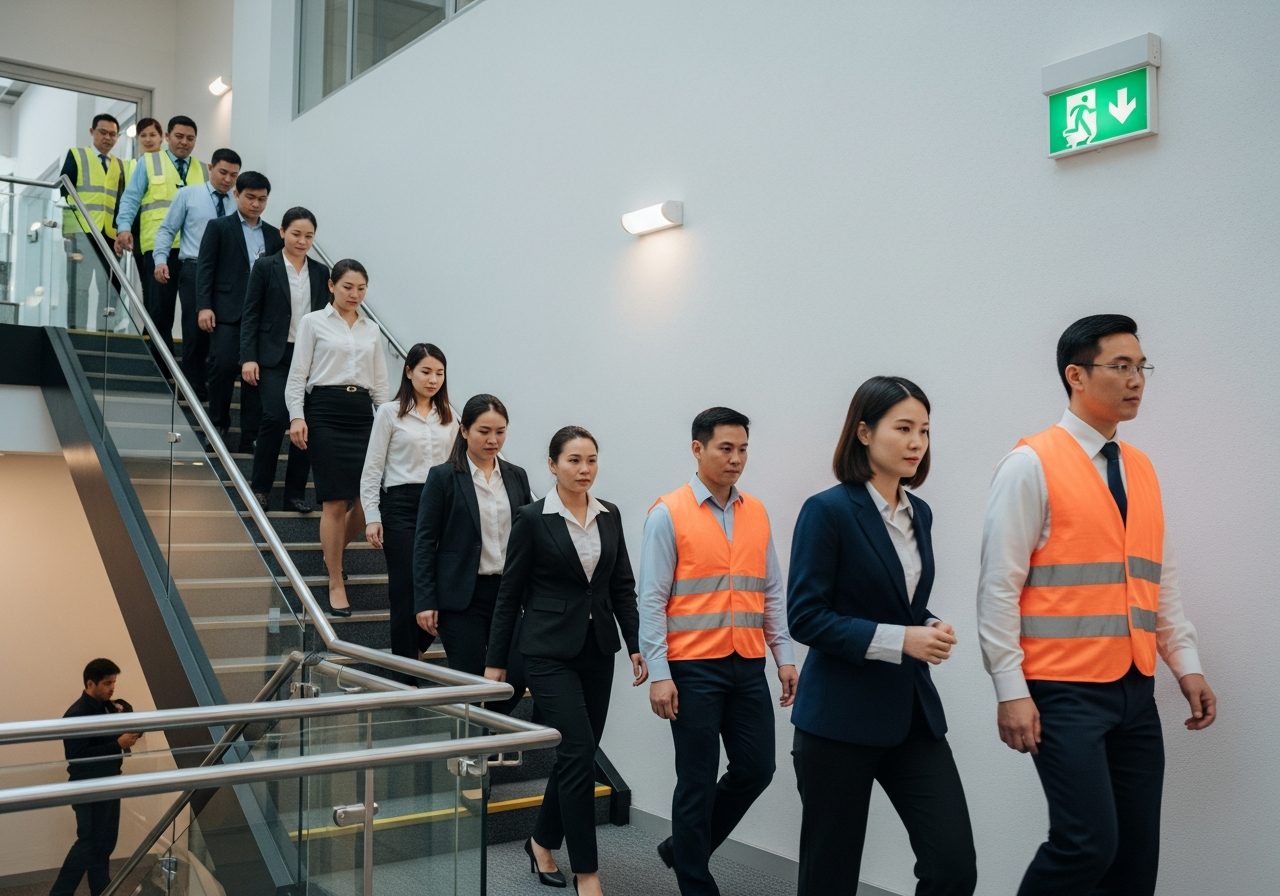
Emergency evacuation procedures course card, 1705 Consultancy

Evacuation Drills

A planned, observed and timed evacuation drill that proves your plan works, with a team debrief and a written report.
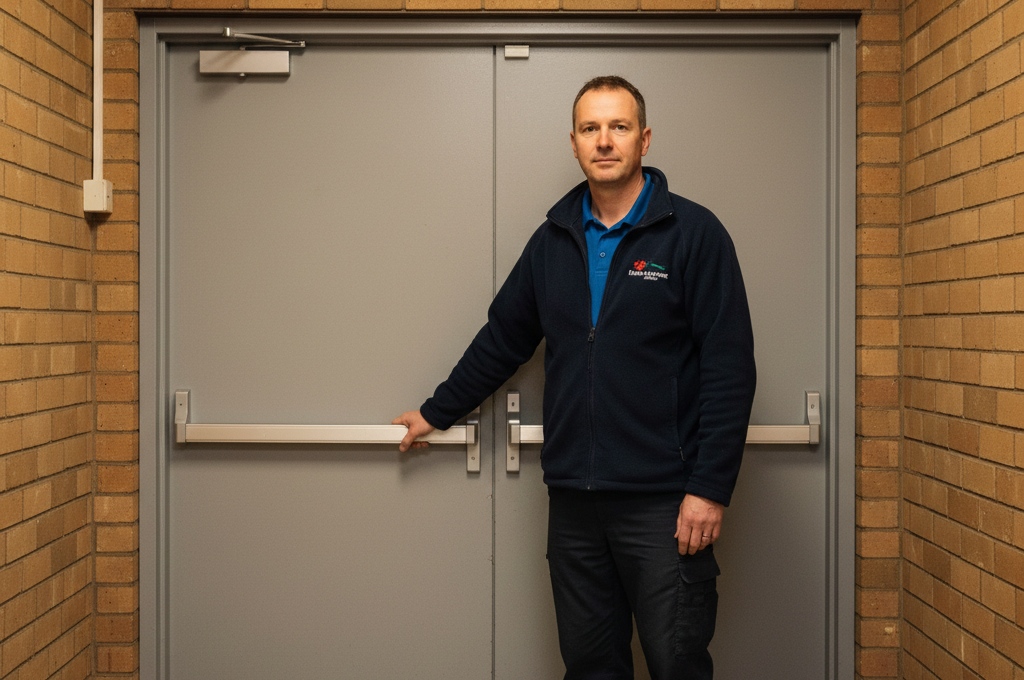
School caretaker checking fire exit door compliance in UK school corridor

Invacuation and Lockdown

Set clear triggers, train your staff and run an observed invacuation or lockdown drill, in line with Martyn’s Law. Written report included.
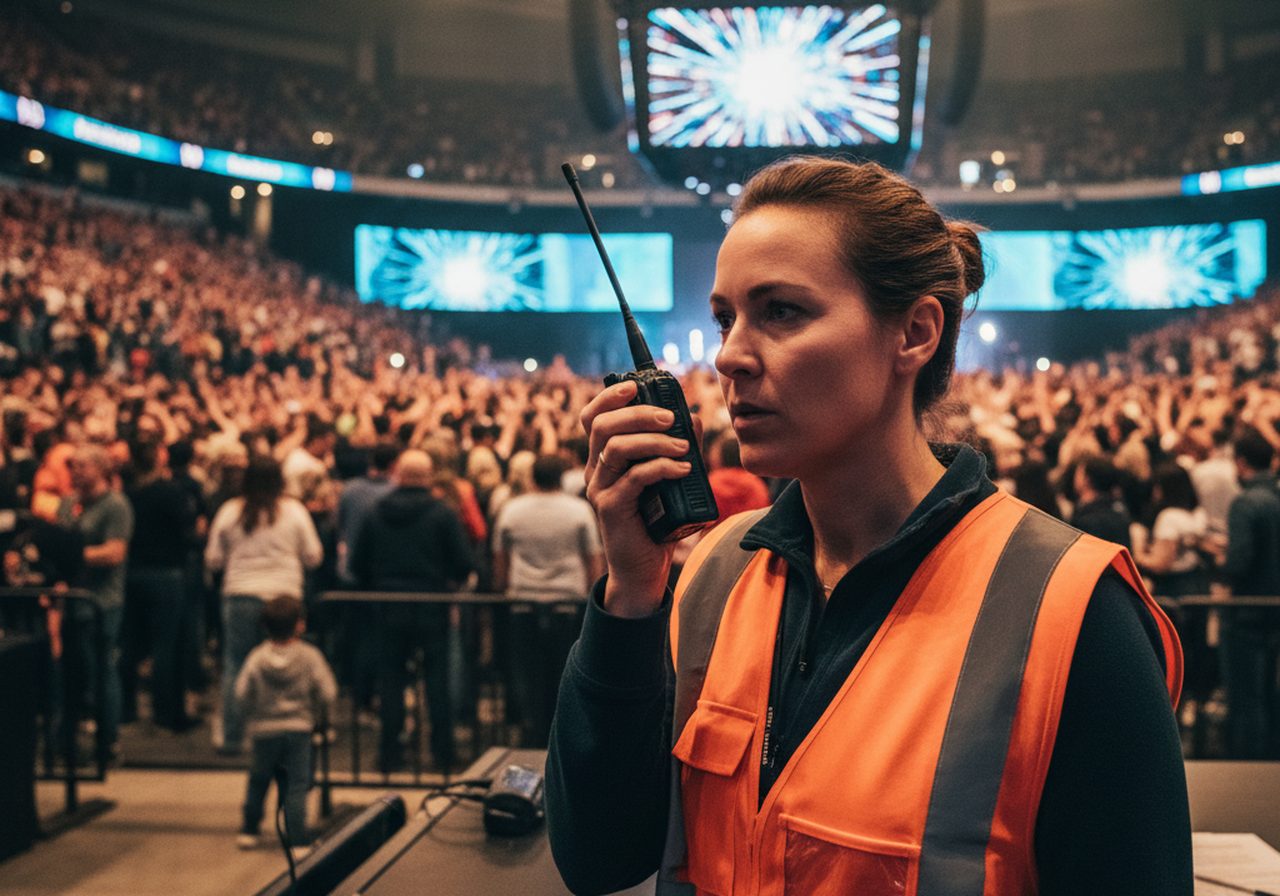
Incident command training, Operation Showstop live exercise

Bomb Threat and Suspicious Items

Half a day for managers and security teams. Handle a threat call, plan a search and decide whether to evacuate or invacuate.
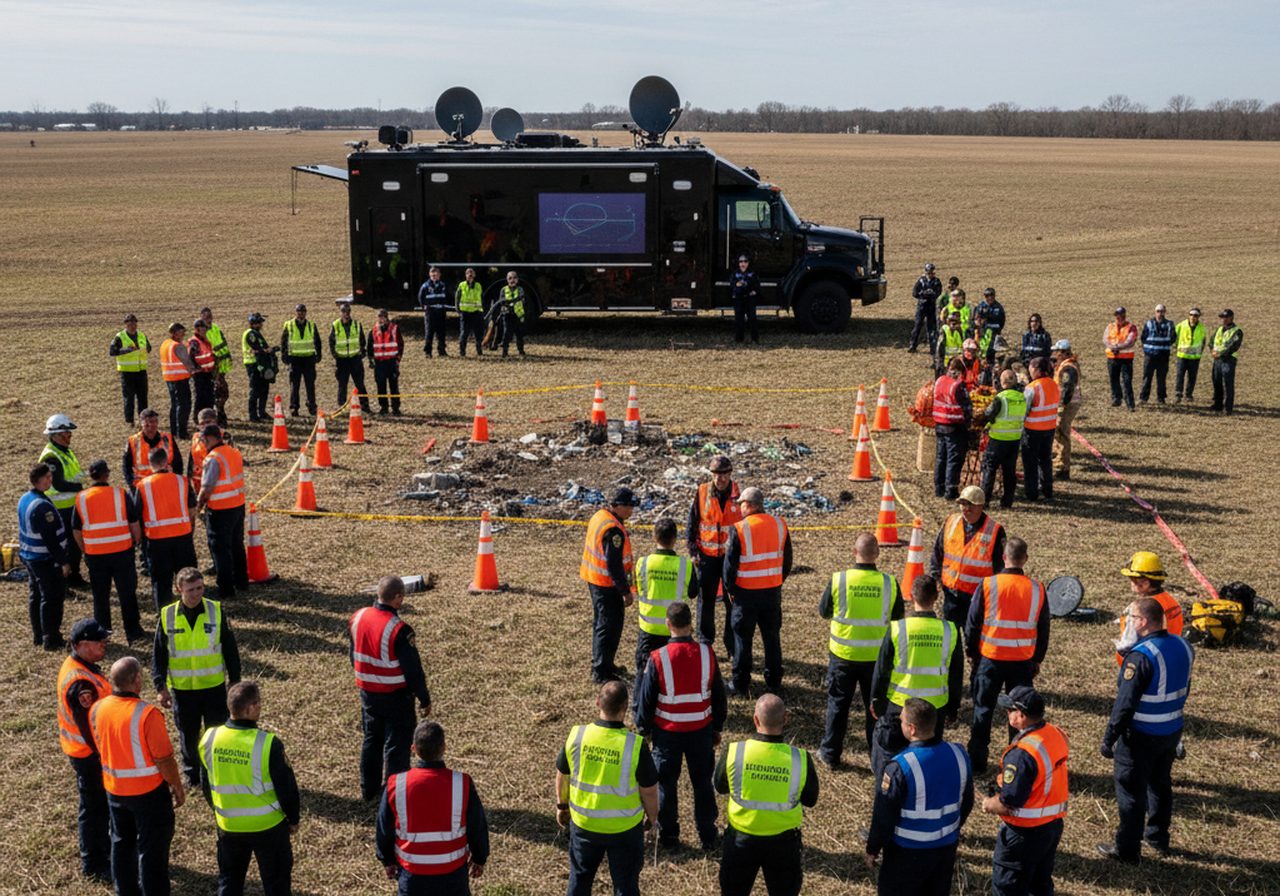
Incident command, multi-agency coordination training

Multi Agency Live Exercises

Live exercises built around your objectives, with the emergency services where available. Full written report. Subject to availability.

Incident command training, post-incident debrief session

Debriefs and Lessons Identified

Independent hot and structured debriefs after incidents, events and exercises, with a written report and action plan.

Emergency Procedures FAQs

What is the difference between a tabletop exercise and a live exercise?

A tabletop exercise is discussion based: your team talks through a developing incident using your plans. A live exercise puts people on the ground carrying out the procedures in real time. Many organisations start with a tabletop and build up to a live exercise.

Invacuation means bringing people inside a building, or into a safer area, away from a threat outside. It is one of the procedures Martyn’s Law requires, alongside evacuation, lockdown and communication.

Standard tier premises and events must have procedures for evacuation, invacuation, lockdown and communicating with people on site. Our services help you put them in place, train your staff and prove they work.

Yes. Every exercise and drill finishes with a debrief and a written report with findings and recommendations. Tabletop exercises and live exercises include a full written report.

At least once a year, and whenever your site, your staffing or your plans change significantly. Busy venues and events often test more often, for example before each season.

Where it fits the learning objectives and they are able to, we engage with police, fire and ambulance services. Their involvement depends on the objectives and their interest and availability.

Every service is certified by 1705 Consultancy and delivered by former emergency services staff who have planned and run real incidents and exercises.

Yes. Our Emergency Plans consultancy writes and reviews emergency, evacuation, invacuation and lockdown plans, and we can then test them through these exercises and drills.