
De-escalation & Conflict Management Training

De-escalation and conflict management skills that keep your people safe

Our Training

1705 Consultancy delivers expert De-escalation and Conflict Management training designed to protect your people and your business.

Every course we deliver has one clear purpose: equip your team with the practical skills, confidence, and situational awareness to defuse tension early, manage confrontation safely, and prevent escalation before it becomes an incident.

De-escalation & Conflict Training We Offer

De-escalation essentials training course card — 1705 Consultancy

De-escalation Essentials

De-escalation Essentials teaches teams to spot triggers early and defuse situations fast with calm language, confident body cues, and simple, safe tactics. Through role-specific, practical drills, staff learn what to do on the floor—set boundaries, manage intoxication/abuse, and know when to step up or step back. Delivered on-site with tailored scenarios, it strengthens preparedness and ties directly into your risk assessments and overall safety plan.

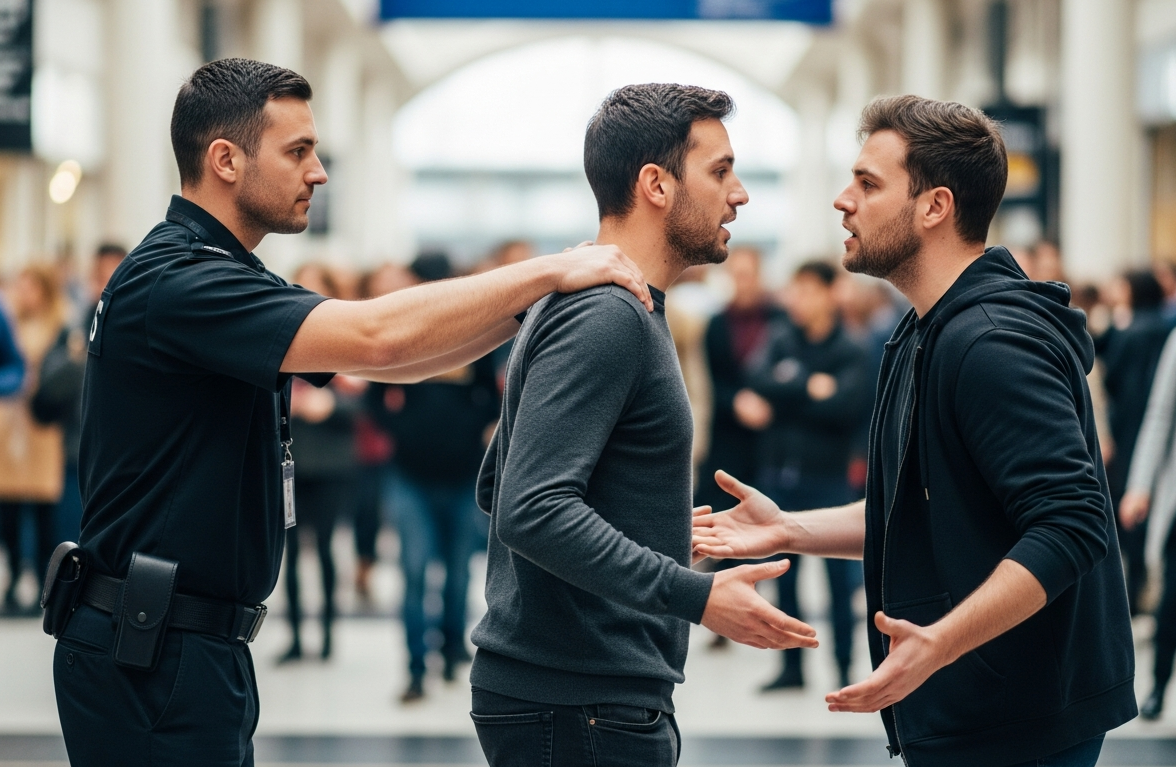
Security officer using de-escalation techniques between two individuals

Advanced De-escalation & Incident Leadership

Advanced De-escalation & Incident Leadership is for supervisors and duty managers who must lead under pressure. Learn to read evolving risk, set clear boundaries, direct teams, and make proportionate, defensible decisions in high-tension moments. We'll drill command presence, comms (PA/radio), role allocation, and post-incident documentation—aligning with your risk assessments and site procedures. Build confident leaders who stabilise situations fast and keep people safe.

Customer-facing de-escalation training course card — 1705 Consultancy

Customer Conflict for Front-of-House

Customer Conflict for Front of House trains reception, hospitality and venue teams to handle refusals, queue pressure and intoxication calmly and safely. Staff practise scripts, stance and non-verbal signals, how to say "no" professionally, keep bystanders onside, and when to escalate to supervisors/security or 999. Short, practical drills build confidence from shift one, with take-away prompts and audit-ready training records. Ideal for bars, venues, attractions and reception teams.

Breakaway and de-escalation skills training course card

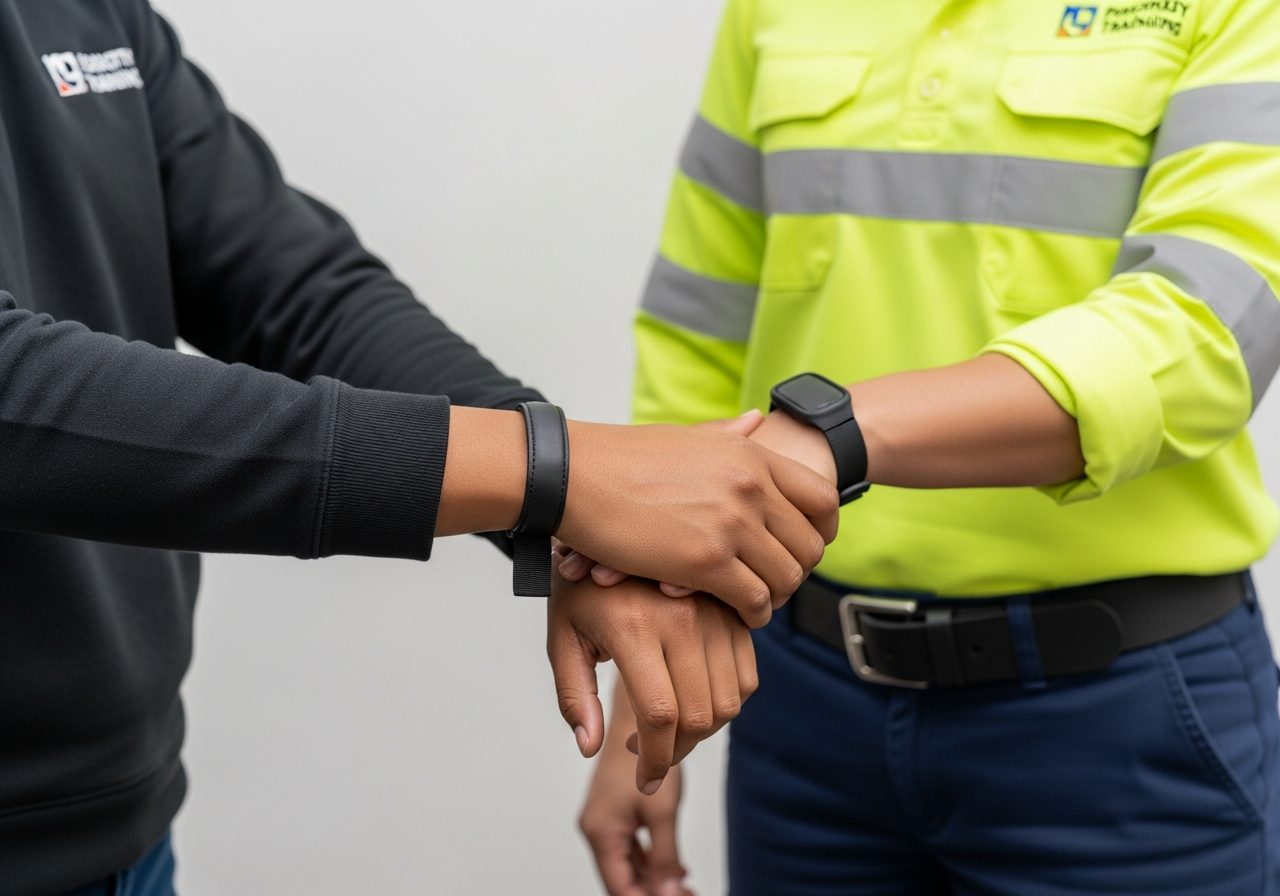
Personal Safety & Breakaway (Non-Restrictive)

Personal Safety & Breakaway teaches staff to stay safe without escalating: smart positioning and distance, use of shielding/cover, clear verbal disengagement, and simple, low-risk breakaway movements to exit danger and protect teammates. Practical drills build muscle memory, with role-based scenarios, legal/safety boundaries, and post-incident reporting—aligning with your risk assessments and site procedures. Ideal for front-of-house, lone workers, and security support roles.

Lone worker de-escalation training course card — 1705 Consultancy

Lone Worker De-escalation

Lone Worker De-escalation builds calm, confident responses when you're on your own: dynamic risk assessment, voice control and boundary setting, safe positioning, exit planning, and clear triggers to escalate for support. Practical drills cover phone/radio comms, check-in protocols, code words, and incident recording—so lone staff can defuse early, disengage safely, and get help fast. Ideal for housing, inspections, retail, community/outreach and night teams.

Communication and de-escalation training course card — 1705 Consultancy

Effective Communication in a Crisis

Effective Communication in a Crisis covers what to say, how to say it, and who needs to hear it—fast. Teams practise plain-language PA/radio scripts, M/ETHANE updates, and JESIP-aligned comms to calm crowds and coordinate responders. We add press strategies (holding lines, spokespeople, media briefings, and bridging) and social media management (approval flows, live updates, rumor control, dark posts, and takedown/escalation rules).

De-escalation & Conflict FAQs

What's the difference between De-escalation Essentials and Advanced De-escalation?

Essentials covers foundational de-escalation techniques and communication tactics (1–2 days); Advanced adds incident leadership, multi-person conflict, legal liability, and post-incident debrief (typically 2–3 days). Choose Advanced if your team handles complex or high-risk situations.

Yes — de-escalation skills apply to any workplace where tension can arise. Even security, facility, or back-of-house staff benefit from recognising early warning signs and diffusing situations before they escalate.

Absolutely. We offer bespoke de-escalation training designed around your venue type, common conflict triggers, and staff roles. We can include role-plays and scenarios specific to your environment.

Our training covers the point at which de-escalation is no longer effective and when to call police, trigger lockdown, or apply safe restraint/breakaway techniques. We teach you to recognise that boundary and act accordingly.

Skills fade without practice, so we recommend annual refreshers or scenario-based drills (2–3 per year) to keep responses sharp. High-risk venues should refresh every 12 months; lower-risk venues every 18–24 months.

No — breakaway techniques are physical methods to escape holds or restraint safely and legally, focusing on controlled release rather than striking or fighting. It’s designed for staff who are grabbed or threatened and need to create distance safely.

We recommend live, in-person training so staff can practise techniques, ask questions, and participate in role-plays. Recorded training misses the critical practical component; however, we can discuss hybrid options for large teams.

We recommend tracking metrics like incident frequency, severity, and resolution time before and after training. We can also support you with post-training debriefs after incidents to identify what worked and refine your approach.