Emergency procedures that staff can execute under pressure
1705 Consultancy delivers practical emergency procedures training designed to save lives and meet compliance requirements.
From desktop exercises to live evacuation and lockdown drills, every session is built around your site, your team and your risks — giving staff the confidence to act decisively when it matters most.

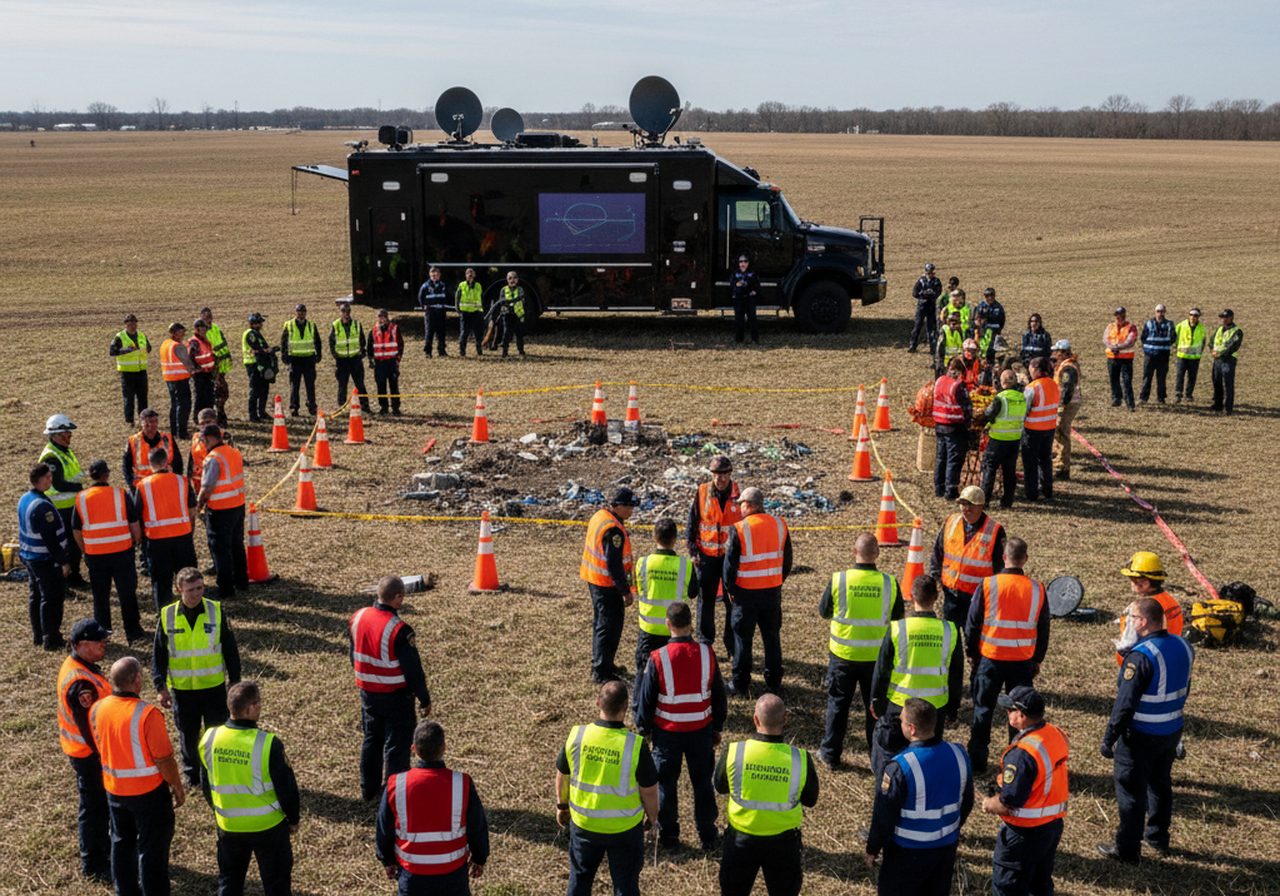
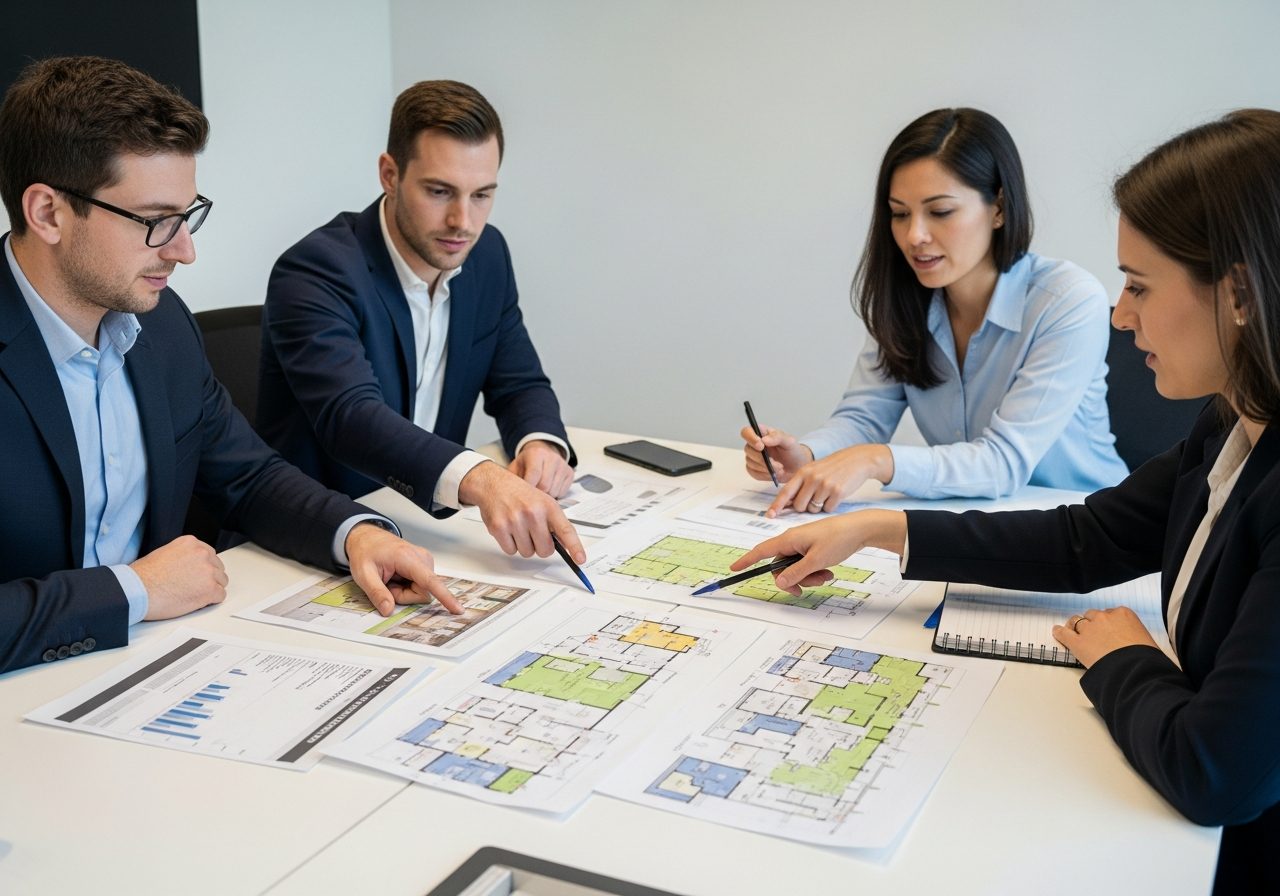
Desktop/Tabletop Exercises deliver a guided, risk-based walk-through of your plans using live maps and tailored scenarios. We pressure-test roles, decisions, comms and handovers (M/ETHANE, JESIP) to reveal gaps, then issue a clear action report with priorities, owners and timelines so improvements land immediately. Ideal for venues, events and high-risk sites preparing for Martyn's Law—fast, low-disruption testing that strengthens plans, teams and confidence.

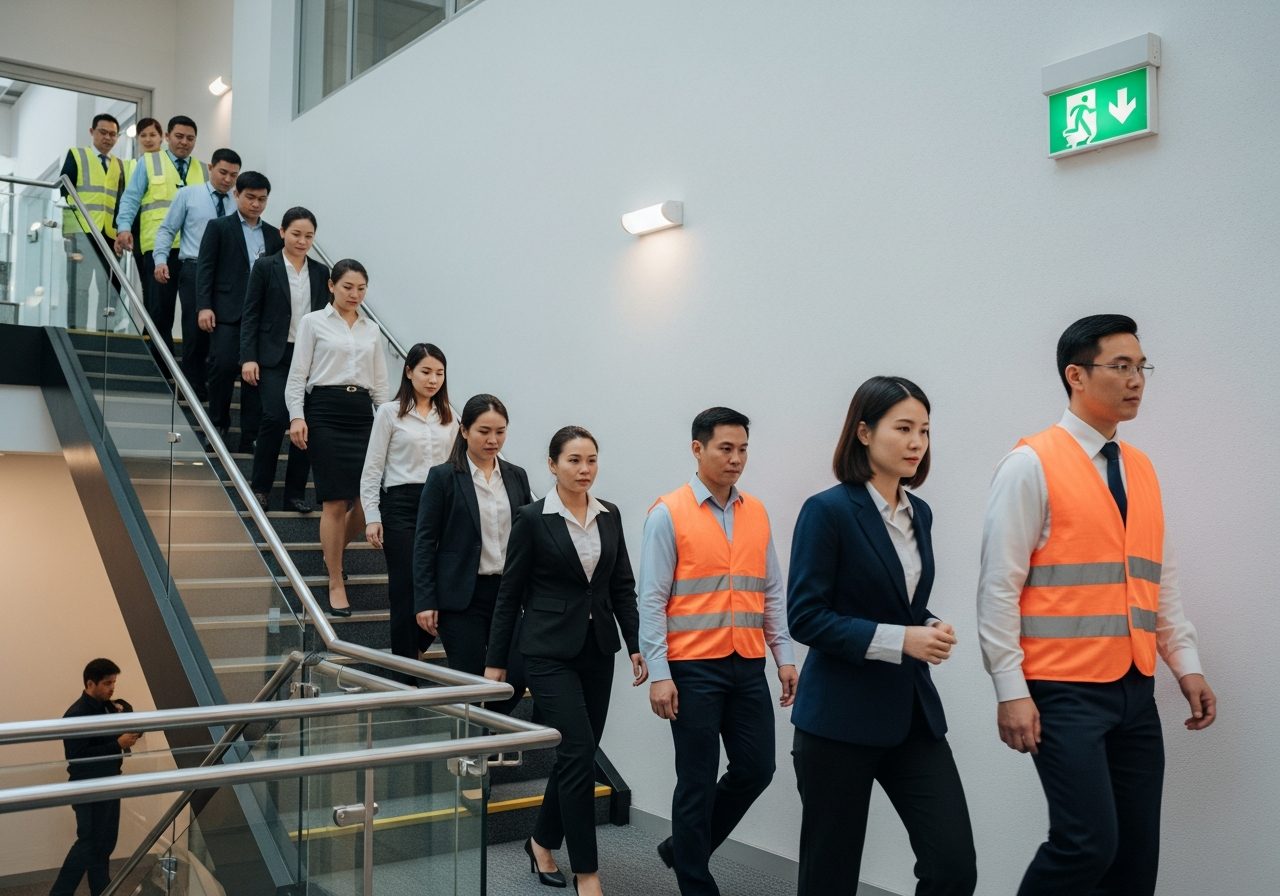
Evacuation Drill — a live, timed run-through of your evacuation plan to prove it works under pressure. We check and mark routes, position stewards, build in accessibility (PEEPs), and rehearse comms. Risks are assessed on the day, timings captured, and improvements agreed in a quick debrief. You'll receive an evidence pack (photos, timings, action log) for compliance and Martyn's Law readiness.

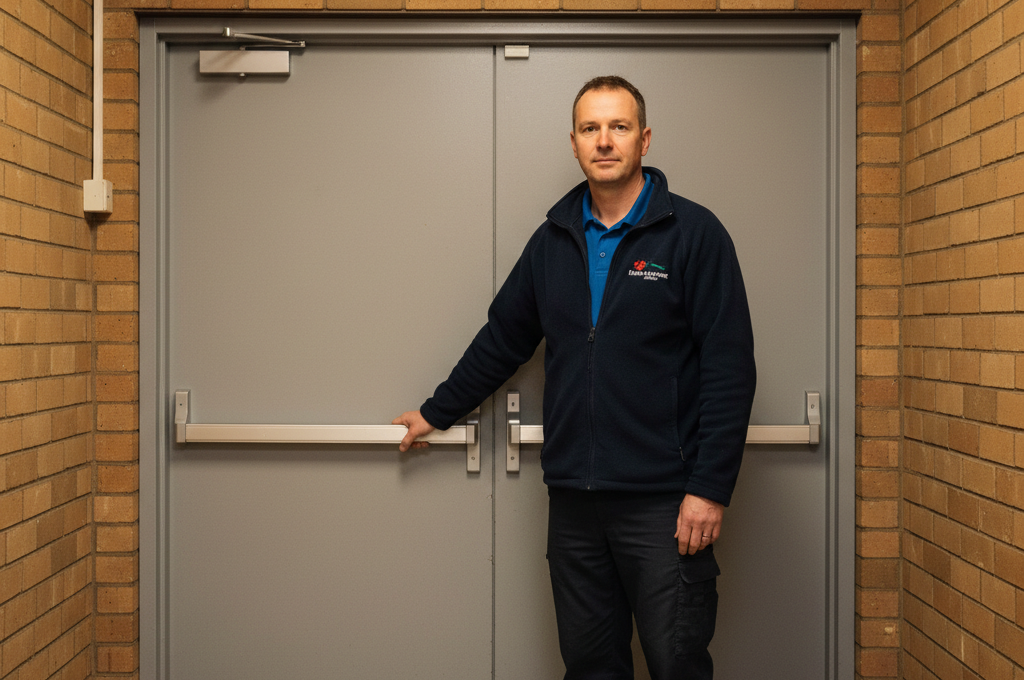
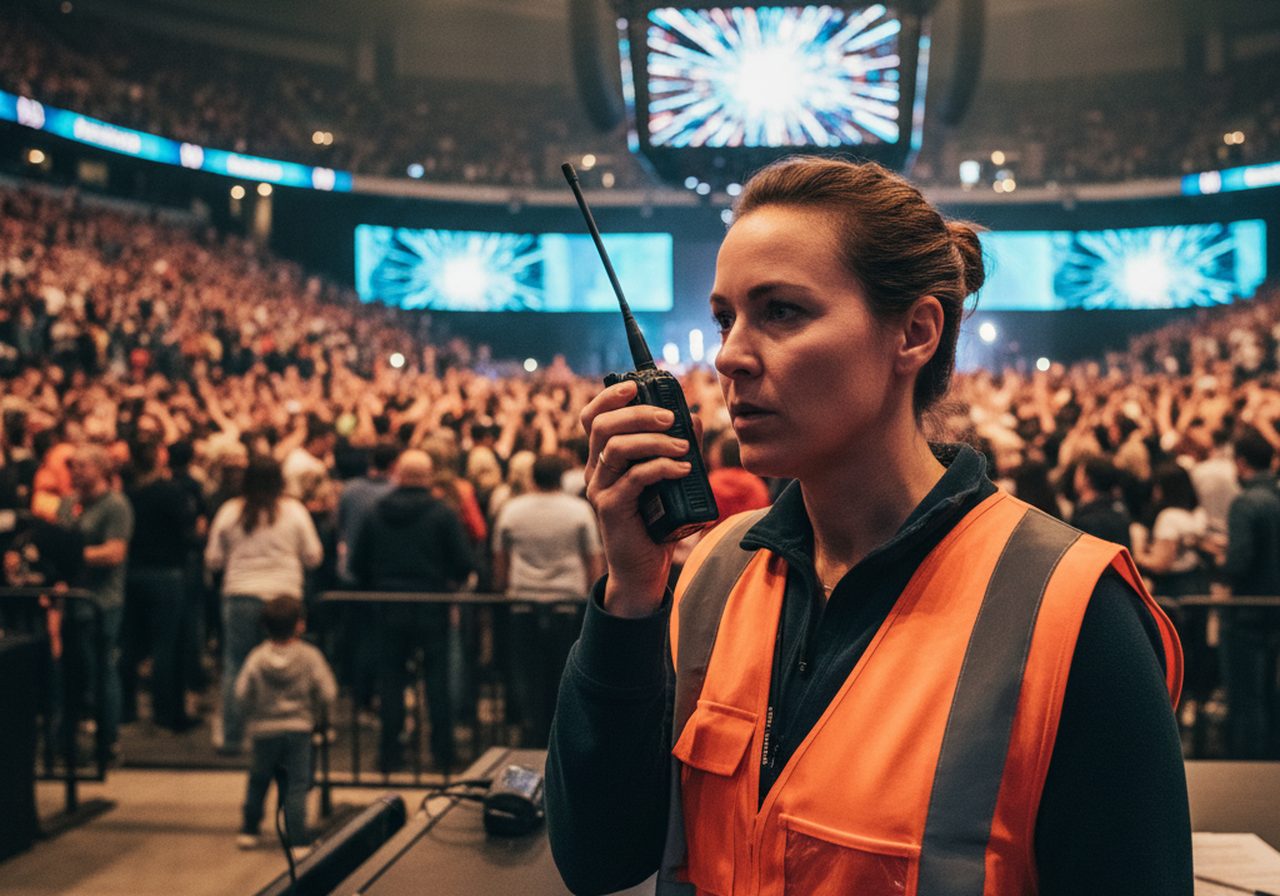
Invacuation & Lockdown — plan it, drill it, evidence it. We design clear trigger points, plain-language scripts, and room/zone plans to deny entry, shelter safely, and stay silent. Staff learn fast actions (secure doors, move to safe areas, account for PEEPs), with rehearsed PA/radio comms, M/ETHANE, and a simple command structure. We run a timed exercise, capture gaps, and deliver a concise action report + evidence pack for compliance and Martyn's Law readiness.
Evacuation Drill is a live physical exit from the building (tests assembly points, roll call, routes); Invacuation is shelter-in-place lockdown (tests communication and lock-down procedures); Tabletop Exercise is discussion-based planning without physical movement. Each tests different scenarios.
The Regulatory Reform (Fire Safety) Order 2005 requires at least one evacuation drill per year; we recommend quarterly drills for higher-risk venues. Yes, you must keep records (date, time, participants, issues found, actions taken) for compliance audits.
We can conduct live drills during operating hours (most realistic) or scheduled sessions outside hours. During-hours drills are more authentic but disruptive; we advise a mix of both for the best preparation.
We document findings in a detailed report with recommendations and timelines for remediation. You’re then responsible for fixing issues; we can schedule follow-up verification drills to confirm corrections are implemented.
Everyone should participate so staff know their lock-down role, safe rooms, and communication protocols. Management and security lead the drill, but participation from all levels ensures the response is effective when needed.
Your own records are the legal requirement; external verification (like our drills) strengthens your compliance position and provides third-party evidence if audited. We provide a formal report you can share with insurers and regulators.
Most venues should evacuate safely in 5–15 minutes depending on size and occupancy. We’ll benchmark your time against similar venues and identify bottlenecks. If evacuation takes significantly longer, we’ll recommend procedural or infrastructure changes.
A debrief reviews what went well, what didn’t, staff observations, timing, communication effectiveness, and barriers encountered. We then work with you to create an action plan and schedule follow-up drills to test improvements.